
A Parent's Guide to Learning Words in Two Languages
Raising a bilingual child is easier when each language has its own clear moments. Here is a practical way to split them.
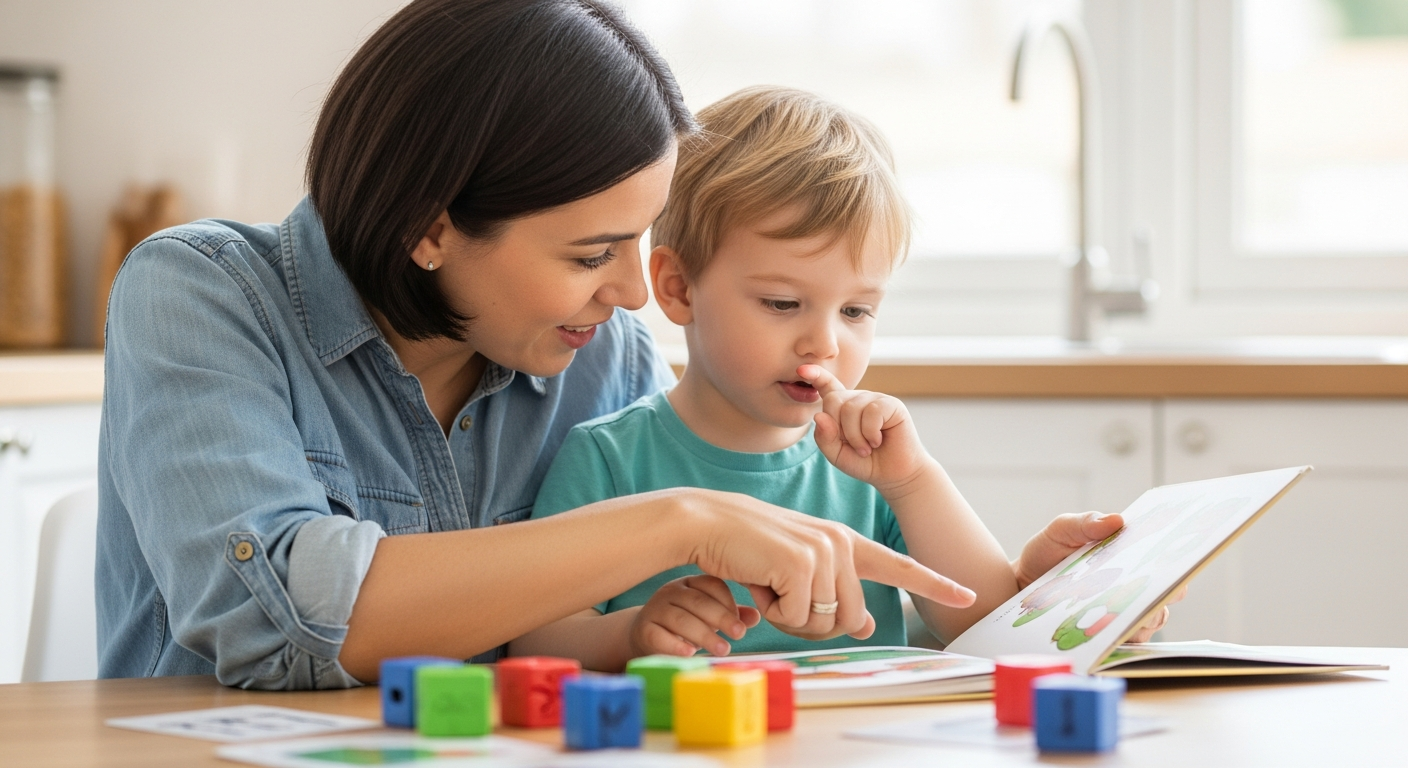
Give each language its own moments
Many families find it helpful to link each language to a routine or a place: one language at breakfast, another during play, or one parent speaking one language and the other speaking the second. Children then know which words belong where without becoming confused.
Consistency matters more than a perfect split. Pick a pattern your family can keep, and stick with it for a few weeks before changing anything.
Same object, two labels
Use the same object in both languages and say them together. Seeing that a spoon is a "cuillère" in French and a "spoon" in English helps children understand that words are labels for things, not rules they must memorise in isolation.
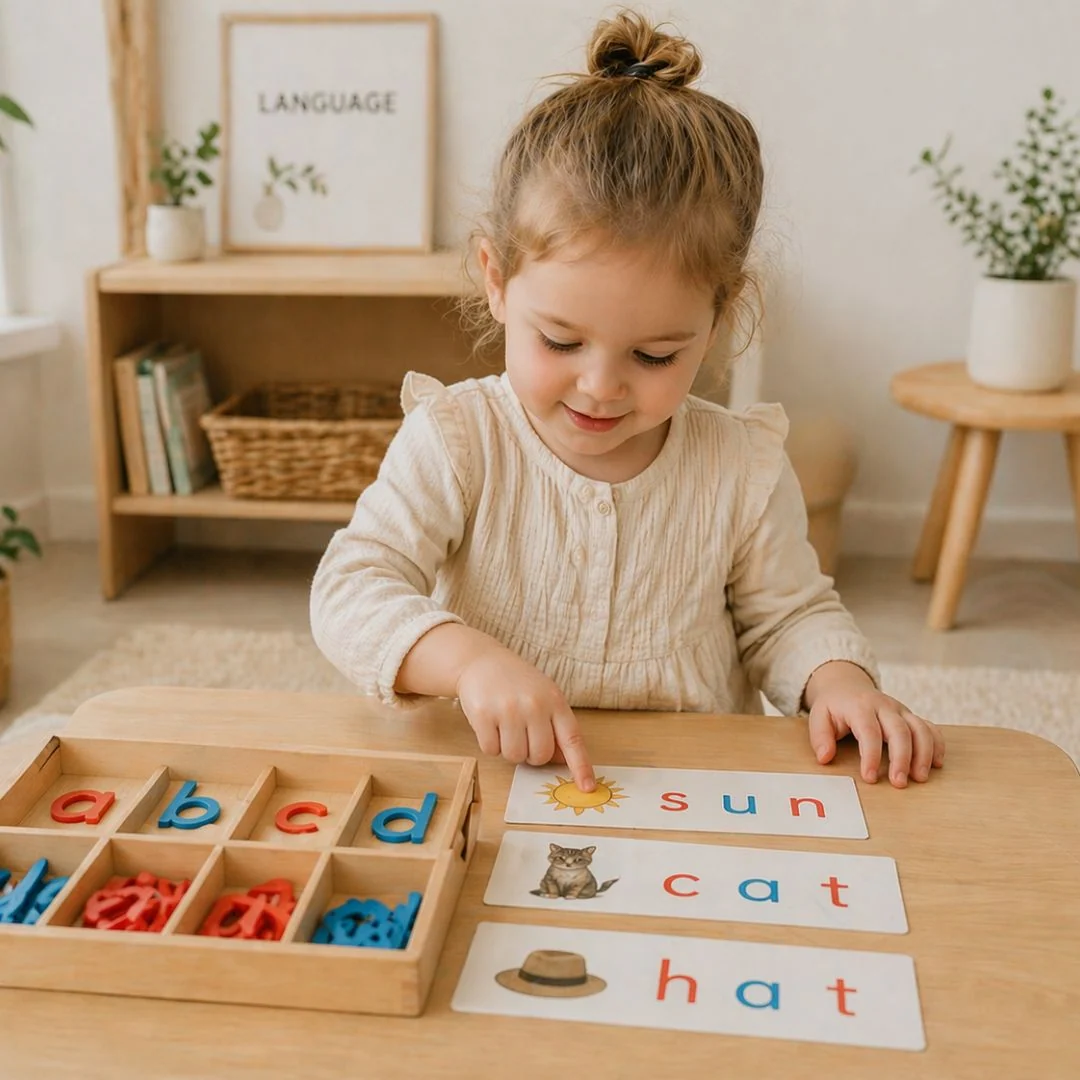
Do not worry about mixing
Children often mix words from both languages in the same sentence. This is a normal part of bilingual development, not a sign of confusion. Respond naturally, repeat the sentence correctly, and keep going.
Over time, most children learn to switch languages depending on who they are speaking to and what they are doing.