
10 Everyday Objects That Teach New Words at Home
Your kitchen, bathroom and backpack are full of vocabulary. Here is how to turn them into a word lesson.
Why everyday objects work so well
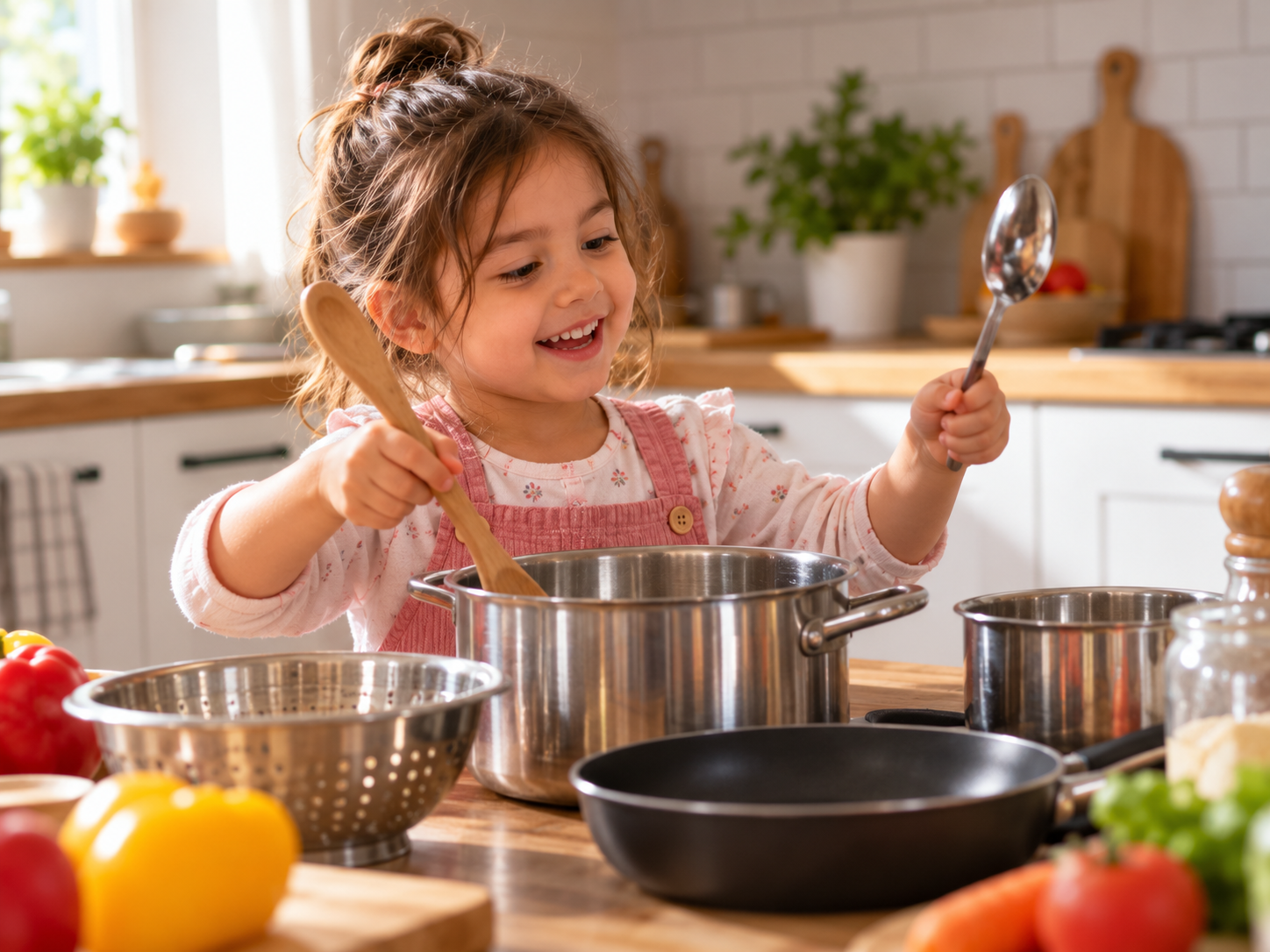
Children learn best when a new word is attached to something they can see, touch and use. A word like "colander" means little on its own, but it sticks quickly when a child is holding one while pasta drains in the sink.
Every home already contains hundreds of objects that carry useful vocabulary. You do not need flashcards or a special curriculum to start. You need a few minutes and a willingness to name what is already around you.
Ten objects to start with
Begin with objects from one room so your child can build a mental map of where words live. The kitchen is a good first choice because it is full of familiar items with clear uses.
- ✓Spoon, fork and whisk: utensils for eating and mixing
- ✓Fridge and freezer: words for hot, cold and temperature
- ✓Colander and sieve: words for things that let water through
- ✓Sponge and dish soap: cleaning vocabulary
- ✓Toothbrush and towel: bathroom routine words
- ✓Sock and shoe: clothing words that connect to getting dressed
- ✓Backpack and zip: words for school and getting ready
- ✓Umbrella and raincoat: weather words for the day ahead
- ✓Pillow and blanket: bedtime vocabulary
- ✓Clock: time words such as early, late and later
How to turn naming into learning
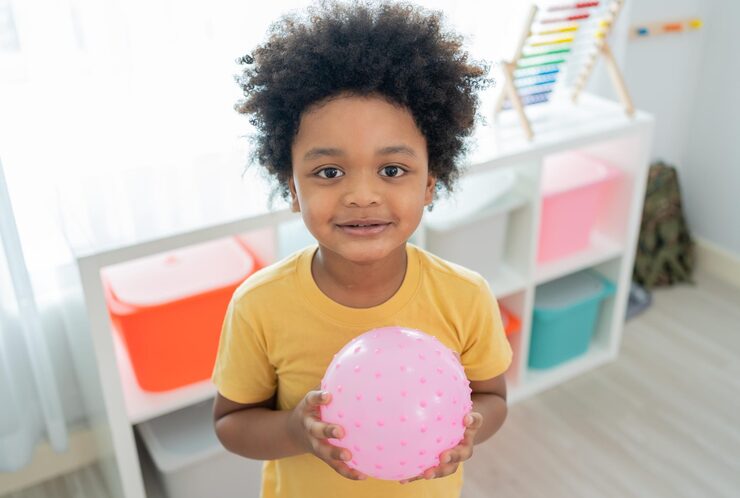
Point to an object, say its name clearly, and ask your child to repeat it. Then ask a simple question such as "What do we use to keep milk cold?" so the word becomes part of a sentence they can understand.
Keep each session to five or six objects. When your child gets one right, celebrate it. When they get one wrong, say the word again gently and move on. The goal is a happy habit, not a test.