
Why Taking a Photo Helps Kids Remember New Words
Connecting a word to a real picture gives the brain a second place to store it. Here is what that looks like in practice.
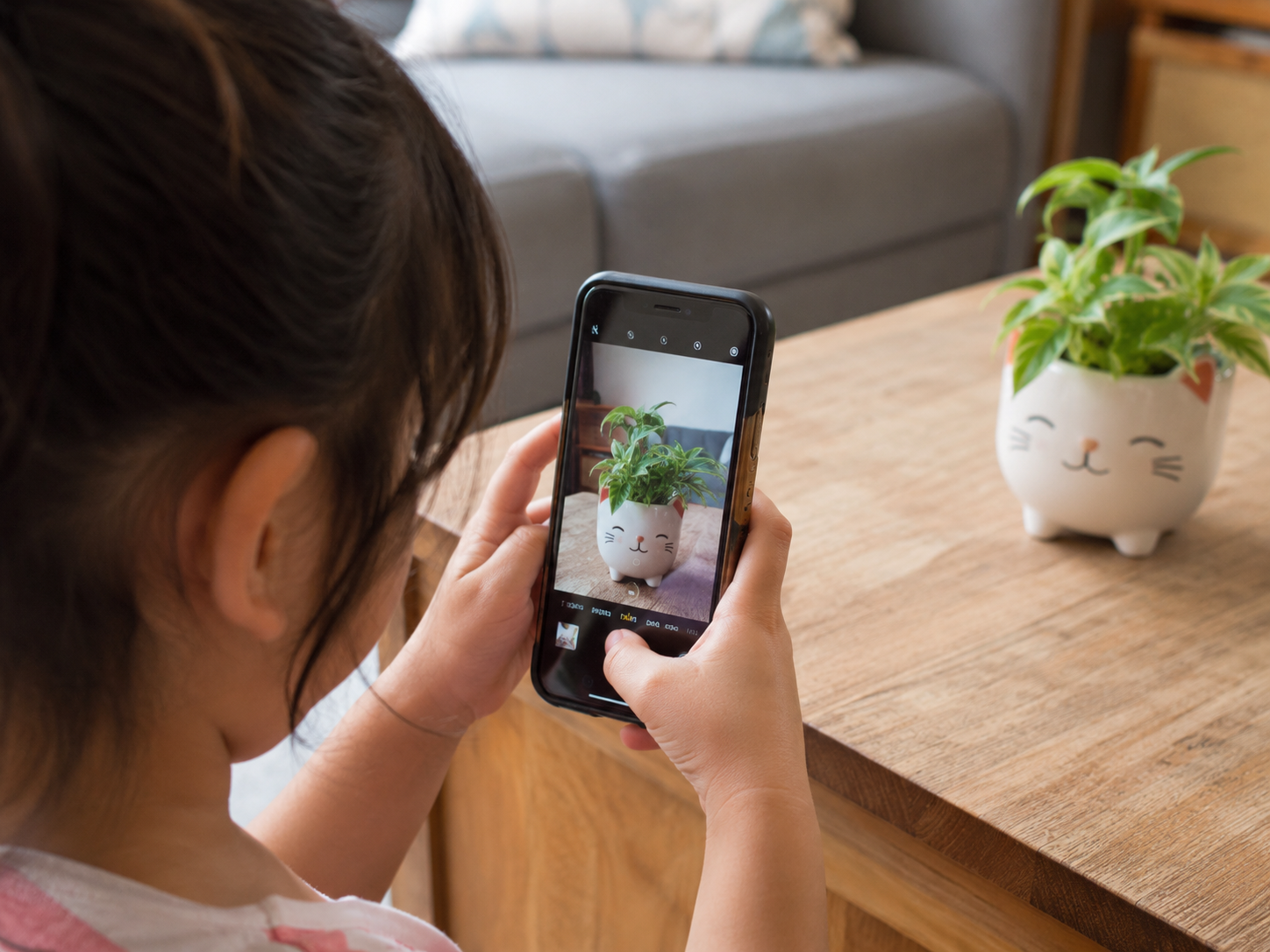
The idea behind picture memory
Memory researchers often describe learning as building connections. A word that is linked to a picture, a sound and a personal experience has more connections than a word that is only heard or read, and more connections usually means easier recall later.
When a child points a camera at an object and hears its name, the word is attached to a specific image, a place and a moment. That extra context is exactly what helps it come back when the child needs it.
What makes a good learning photo
Not every photo teaches equally well. The most useful pictures show the object clearly, in a setting the child recognises, and without too much clutter in the background.
- ✓Choose objects the child already sees every day
- ✓Keep the object centred and well lit
- ✓Let the child take the photo themselves when possible
- ✓Name the object out loud as soon as the photo is taken
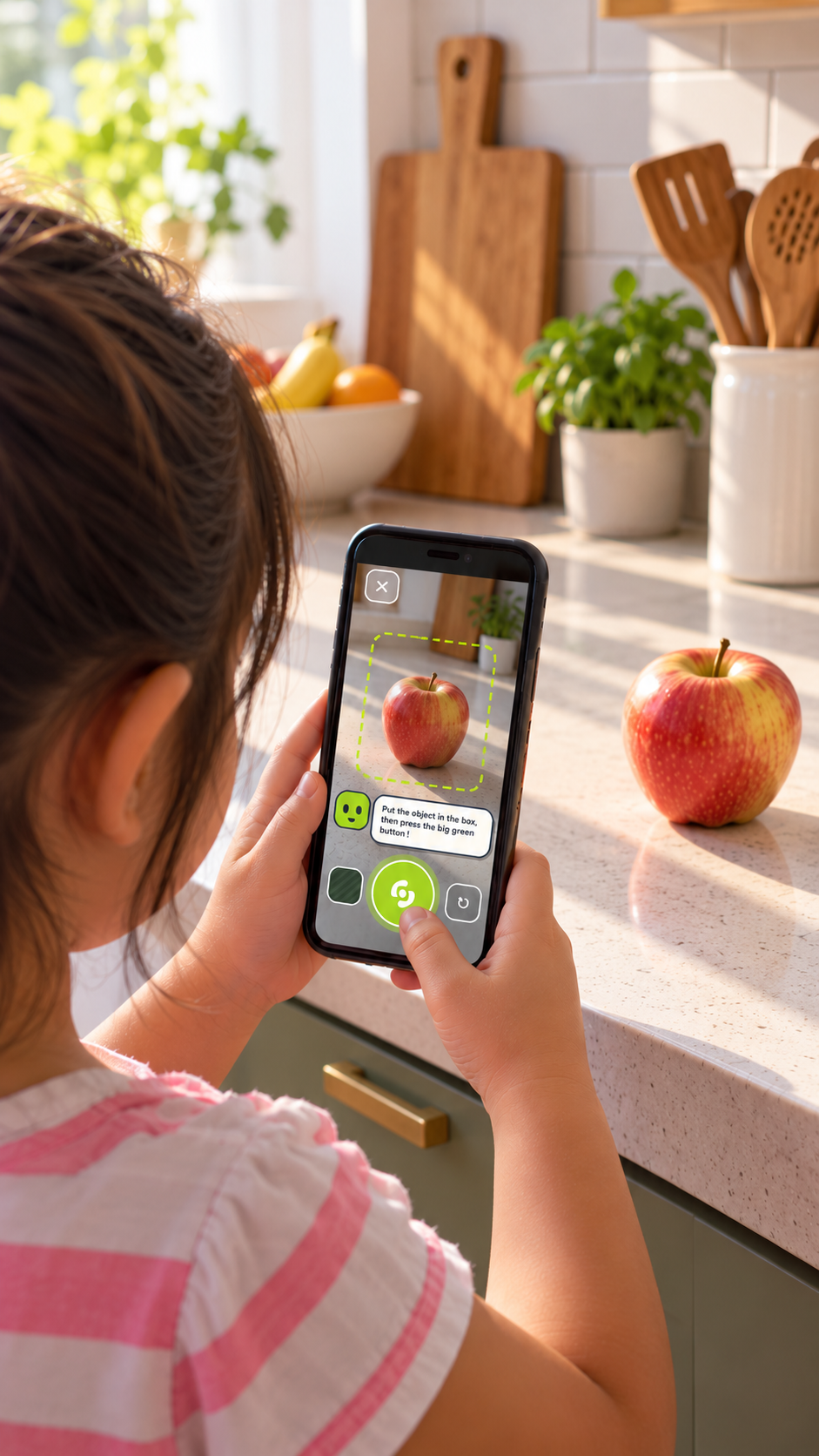
How Snap2Learn uses this idea
Snap2Learn builds on this principle directly. The photo a child takes becomes the starting point for a short learning path built around that exact object, with the word, its sound and example sentences all linked to the picture.
Because the lesson starts from something the child chose, learning feels like exploring rather than being tested. That sense of ownership is a big part of why children want to come back.