
Why Ten Minutes a Day Beats One Long Study Session
Short, regular practice builds vocabulary faster than occasional marathon sessions. Here is how to make it a habit.
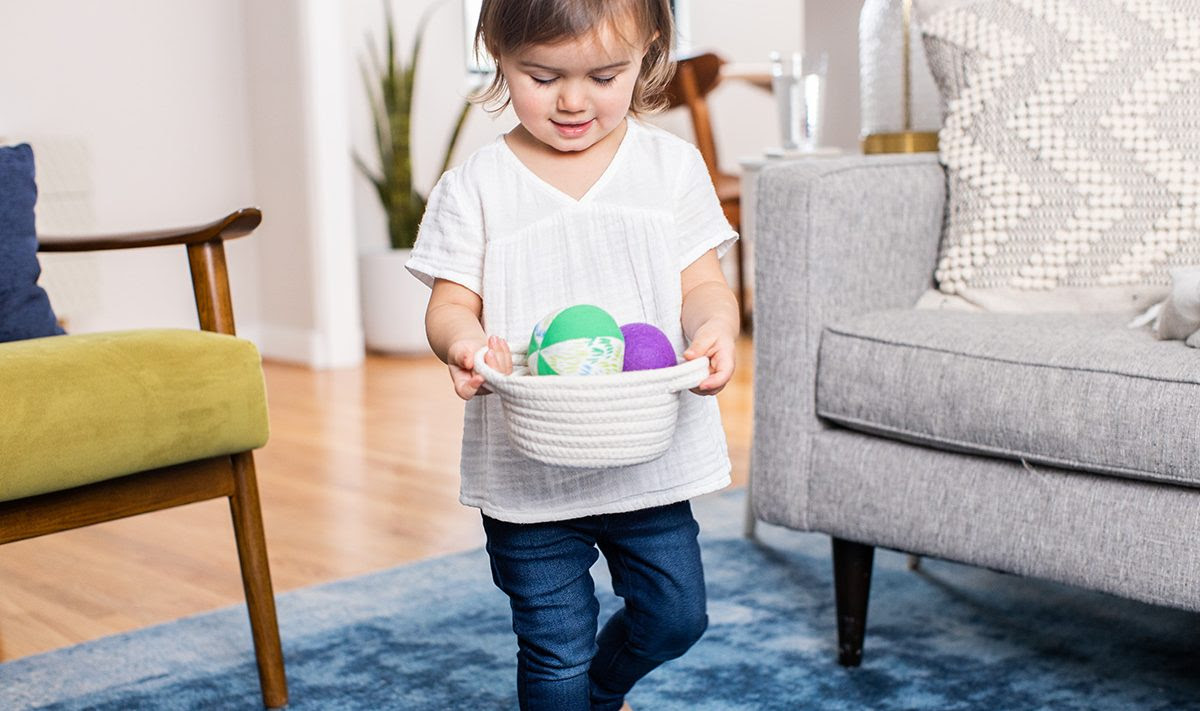
Attention is short, memory likes repetition
Young children tire quickly, and their attention is best in short bursts. Ten focused minutes give the brain regular chances to recall words, and recalling a word is what makes it stick.
A long session once a week feels productive, but it asks a lot of a child's focus and leaves big gaps between practice. Small daily sessions close those gaps.
Build a routine that fits
Pick a time that already exists in your day, such as after breakfast, in the car or before bed. Attaching the session to something familiar means you do not have to remember it, and your child knows what to expect.
- ✓Choose one fixed time each day
- ✓Keep the session to about ten minutes
- ✓Finish on a success, even if it is a small one
- ✓Skip a day without guilt and return the next day
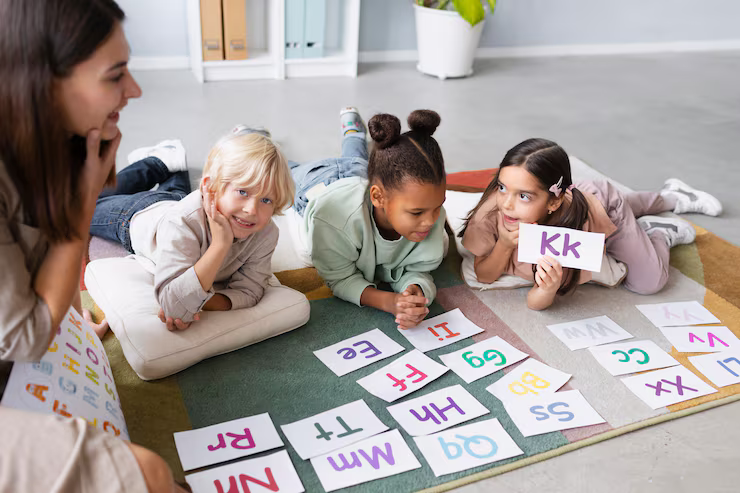
Consistency beats length
After a few weeks, you will likely notice your child using words they practised without being prompted. That is the sign that short, regular practice is working. You do not need to add more time to keep it going.