
Turning Your Kitchen Into a Classroom Without the Stress
You do not need a worksheet or a timetable. A few minutes during cooking can be enough for a real lesson.
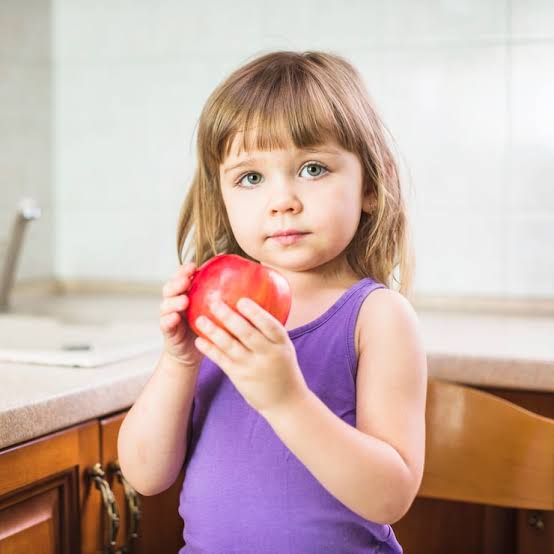
Why the kitchen is a natural classroom
Cooking is full of language. Measuring, chopping, stirring and washing come with action words, quantities, colours and textures that children can practise while they help.
Because the activity has a clear goal, children stay engaged. They want to know what comes next, and that curiosity is a powerful reason to listen and speak.
Simple questions that build vocabulary
You do not need a script. A few open questions during a recipe can prompt a surprising amount of language.
- ✓What colour is this? What shape is it?
- ✓Is it heavy or light? Hot or cold?
- ✓What do we do first, and what comes next?
- ✓Can you find something that is round?
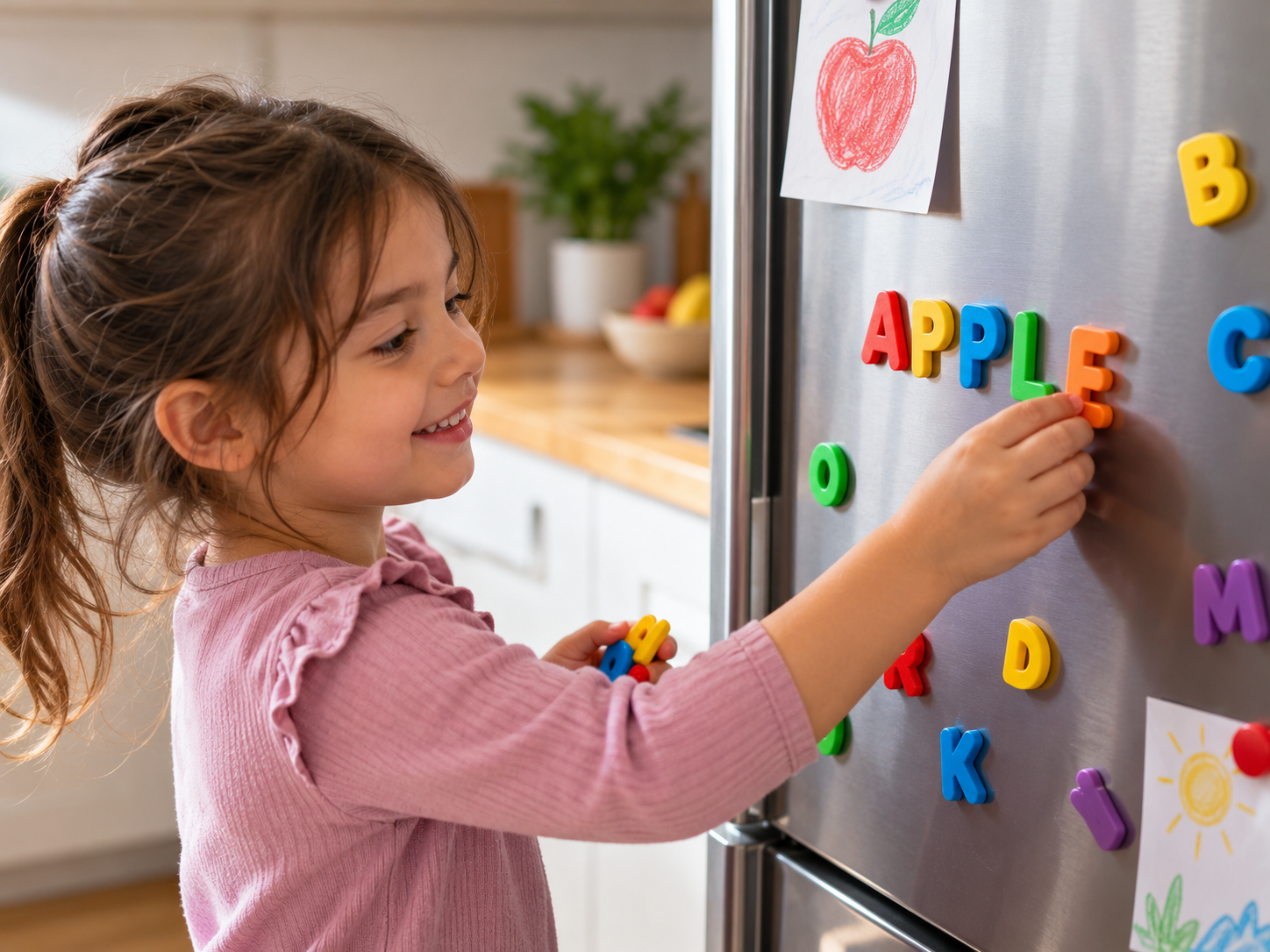
Keep it light
Ask one or two questions, celebrate a correct answer, and stop before your child loses interest. A short, happy moment is worth far more than a long, tiring one.
If the cooking goes wrong or runs late, that is fine. The lesson is the conversation, not the recipe.